
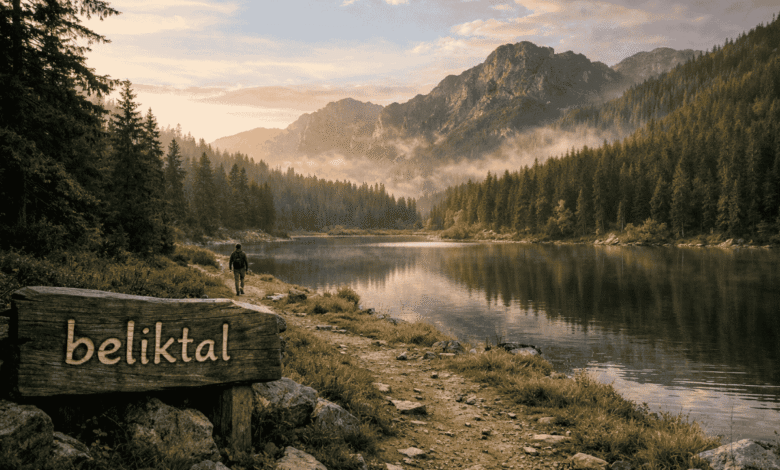
beliktal doesn’t try to impress anyone, and that’s exactly why it works. It isn’t staged, filtered, or packaged into neat experiences with gift shops at the exit. People who end up here usually weren’t chasing trends. They were looking for space, quiet, or something that didn’t feel pre-approved by travel blogs. beliktal rewards that instinct. It offers friction, surprises, and moments that don’t announce themselves in advance.
This is not the kind of destination you skim. beliktal demands attention, patience, and a willingness to slow down. Those who rush through it miss the point entirely.
The Landscape Is the Main Character
beliktal doesn’t hide its terrain behind luxury or infrastructure. The land leads, and everything else follows. Forests stretch without interruption. Lakes sit where they’ve always sat, not where developers would prefer them. Rivers cut through valleys with no concern for viewpoints or photo angles.
What stands out isn’t just the beauty, but the lack of interference. Trails feel earned rather than curated. You notice changes in elevation, temperature, and sound. One turn might open into a wide, silent clearing. Another pulls you into dense tree cover where light barely reaches the ground.
This kind of environment shapes behavior. People walk more slowly. Conversations thin out. beliktal has a way of stripping noise, both literal and mental. That’s rare now, and it’s why the place sticks with visitors long after they leave.
History That Hasn’t Been Sanded Down
beliktal carries history in fragments, not exhibits. Old stone structures appear without signage. Ruins sit beside paths locals still use. Nothing is restored to look impressive. Nothing is cordoned off for dramatic effect.
That restraint matters. It allows the past to feel present rather than preserved. You’re not told what to think or feel. You notice details on your own: worn steps, collapsed walls, carvings softened by time. These aren’t monuments meant to impress crowds. They’re leftovers of ordinary life that once happened here.
The appeal isn’t scale or fame. It’s continuity. beliktal doesn’t separate its history from daily life. It lives alongside it.
Daily Life Still Sets the Rhythm
In beliktal, schedules bend around weather, seasons, and shared routines rather than algorithms or peak hours. Mornings start early. Afternoons slow down. Evenings belong to conversation, food, and rest.
Local markets are practical, not performative. What’s sold reflects what’s grown, raised, or made nearby. Food is filling before it’s decorative. Recipes haven’t been trimmed for outside approval.
Visitors who expect entertainment get bored. Visitors who pay attention learn quickly. beliktal rewards observation more than participation. Sit long enough in one place and the patterns show themselves.
Outdoor Activity Without the Performance
People often talk about adventure when they really mean equipment and branding. beliktal doesn’t play that game. The activities here exist because the landscape makes them possible, not because someone decided to market them.
Hiking routes aren’t always marked clearly. That forces awareness. Rafting depends on river conditions, not fixed schedules. Paragliding happens when the wind allows it, not when a booking slot opens.
This unpredictability is the appeal. beliktal doesn’t promise outcomes. It offers conditions. That difference filters out people who need guarantees and attracts those comfortable with uncertainty.
Seasons Actually Matter Here
In beliktal, seasons aren’t cosmetic. They change how the place functions. Spring reshapes paths and rivers. Summer opens access to higher ground. Autumn pulls activity inward. Winter redraws the entire map.
This isn’t a year-round destination in the marketing sense, and that’s a strength. Each season reveals different limits and possibilities. Locals adjust without complaint. Visitors who arrive unprepared learn quickly.
beliktal teaches respect through inconvenience. If you ignore the season, the place pushes back.
Misconceptions That Miss the Point
beliktal often gets misread as remote, difficult, or impractical. That’s lazy thinking. It isn’t inaccessible; it just doesn’t bend over backward. Costs stay reasonable because excess hasn’t arrived. Safety concerns are usually rooted in unfamiliarity, not reality.
What actually trips people up is expectation. Those looking for nightlife, constant connectivity, or tightly packed itineraries feel lost. beliktal doesn’t provide distractions on demand. It expects you to bring your own curiosity.
That’s not a flaw. It’s the filter.
Why beliktal Resists Becoming a Trend
Every destination eventually faces pressure to smooth its edges. beliktal has resisted so far because its value comes from what it lacks. No oversized resorts. No overdesigned attractions. No rush to scale.
That restraint protects the experience. It also protects the community. Tourism exists, but it hasn’t rewritten priorities. The land still dictates what’s possible. That balance is fragile, and not guaranteed forever.
People who care about beliktal should understand that attention cuts both ways.
The Type of Visitor Who Leaves Changed
beliktal doesn’t send people home with bragging rights. It sends them home quieter. More aware of pace, space, and effort. The shift isn’t dramatic, but it’s durable.
You remember the silence. You remember walking longer than planned because turning back felt wrong. You remember meals that didn’t need explanation. beliktal doesn’t announce its impact. It accumulates.
That’s why those who get it often hesitate to recommend it loudly. Some places lose their value when everyone arrives at once.
beliktal Isn’t Trying to Convince You
There’s no pitch here. beliktal doesn’t need one. It either matches what you’re looking for, or it doesn’t. That clarity is rare.
If you need constant stimulation, look elsewhere. If you want a place that respects your ability to be present without guiding every step, beliktal delivers without trying.
That quiet confidence is the real draw.
A Place That Asks for More Than Attention
beliktal asks for effort, patience, and humility. In return, it gives you something harder to name than sights or activities. It gives perspective. Not the slogan kind. The earned kind.
Most destinations want to be remembered. beliktal doesn’t care. It just keeps being itself. The people who notice are the ones who needed it.
And that’s the takeaway. beliktal isn’t special because it’s rare. It’s special because it refuses to change for applause.
FAQs
Is beliktal suitable for solo travelers who don’t want guided tours?
Yes, but only if you’re comfortable navigating without constant instruction. Independence matters here.
How long should someone stay in beliktal to actually feel the place?
A rushed visit misses too much. Less than four or five days barely scratches the surface.
Does beliktal work for remote work or digital nomads?
Connectivity exists but isn’t reliable everywhere. This isn’t a place to live online all day.
What kind of traveler enjoys beliktal the most?
People who value quiet, physical movement, and observation over packed schedules.
Is beliktal likely to change as tourism grows?
Only if visitors push for convenience over character. The direction depends on who shows up.
