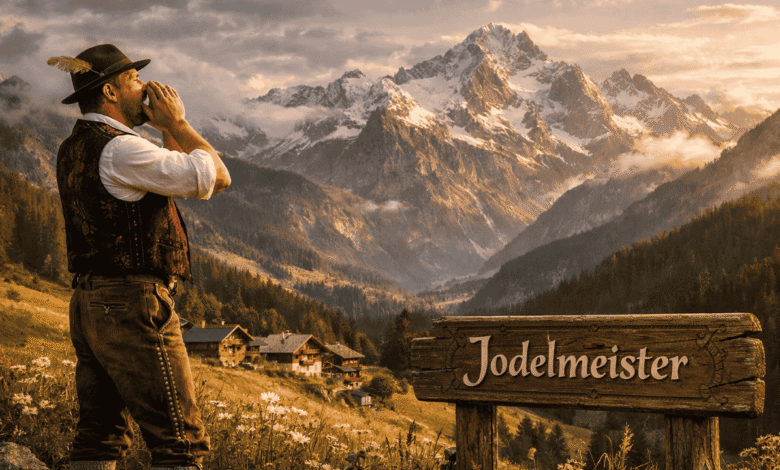
The term jodelmeister carries a distinctive sound that immediately evokes Alpine culture, traditional music, and a sense of mastery rooted in heritage. Over time, jodelmeister has evolved beyond a purely cultural or linguistic idea and has begun to represent creativity, identity, and modern interpretation. Today, jodelmeister can be understood as a concept that blends traditional yodeling culture with contemporary branding, artistic expression, and creative industries. This article explores the meaning of jodelmeister, its cultural background, modern usage, and why it resonates in today’s digital and creative landscape.
Understanding the meaning of jodelmeister
At its core, jodelmeister is a compound term derived from German-language traditions. The word jodel refers to yodeling, a unique form of vocal expression characterized by rapid changes in pitch between chest and head voice. The word meister translates to master, a title historically given to someone who demonstrates deep skill and authority in a craft.
When combined, jodelmeister can be interpreted as a master of yodeling or a figure who embodies excellence in this traditional art form. Beyond the literal translation, jodelmeister also carries symbolic meaning. It represents dedication, cultural pride, and the transmission of skill from one generation to another. In modern usage, jodelmeister often transcends music alone and becomes a metaphor for mastery in creativity and expression.
Historical roots of yodeling and the jodelmeister concept
Yodeling has a long history in Alpine regions such as Switzerland, Austria, and southern Germany. Originally, it was not a performance art but a practical communication method. Shepherds used yodeling to communicate across valleys and mountains, using sound patterns that traveled long distances.
Over time, yodeling became part of folk music and cultural celebrations. Skilled singers who mastered complex yodeling techniques were respected within their communities. These individuals embodied what could be described today as a jodelmeister, even if the term itself was not formally used.
Key historical aspects connected to jodelmeister include:
• oral tradition and learning through imitation
• strong connection between landscape and sound
• cultural ceremonies and seasonal festivals
• emphasis on vocal control and emotional expression
These elements laid the foundation for jodelmeister as a symbol of cultural mastery rather than just a musical title.
Jodelmeister as a cultural symbol of mastery
The idea of mastery is central to understanding jodelmeister. In many German-speaking cultures, the title meister is associated with professional excellence, craftsmanship, and respect. Applying this concept to yodeling elevates it from folk entertainment to a respected discipline.
Jodelmeister symbolizes:
• discipline and years of practice
• preservation of cultural heritage
• artistic individuality within tradition
• leadership within a cultural community
In this sense, jodelmeister represents not only technical ability but also responsibility. A jodelmeister is seen as someone who protects tradition while keeping it relevant for future generations.
Modern interpretations of jodelmeister
In recent years, jodelmeister has found new relevance beyond traditional music circles. The term has been adopted in creative branding, artistic identities, and modern cultural expressions. This shift reflects a broader trend in which heritage-inspired language is used to convey authenticity and originality.
Modern interpretations of jodelmeister often emphasize:
• fusion of tradition and innovation
• creative confidence and individuality
• cultural storytelling in modern formats
• symbolic representation rather than literal meaning
As a result, jodelmeister may describe a creative brand, an artistic persona, or a conceptual identity that draws inspiration from traditional roots while operating in contemporary spaces.
Jodelmeister and creative industries
The creative industries frequently draw from cultural heritage to establish meaningful identities. Jodelmeister fits naturally into this trend. Its strong phonetic presence and cultural associations make it appealing for creative professionals who value originality and depth.
In design, architecture, and artistic ventures, jodelmeister can suggest:
• precision and craftsmanship
• respect for tradition paired with modern thinking
• creative leadership and originality
• authenticity in concept and execution
By using jodelmeister as a conceptual anchor, creatives can communicate values that resonate with audiences seeking depth and cultural connection rather than surface-level branding.
The linguistic appeal of jodelmeister
Language plays a crucial role in why jodelmeister stands out. The word itself is distinctive, rhythmic, and memorable. It carries cultural weight while remaining flexible enough for reinterpretation.
From a linguistic perspective, jodelmeister benefits from:
• strong phonetic identity
• clear cultural reference points
• positive association with mastery
• adaptability across creative contexts
This linguistic strength helps jodelmeister maintain relevance in both traditional discussions and modern digital environments.
Jodelmeister versus similar-sounding terms
One reason jodelmeister attracts attention is its similarity to other well-known German compound words. However, jodelmeister stands apart in meaning and cultural association. While some terms may be linked to commercial products or mass branding, jodelmeister remains rooted in cultural expression and artistic mastery.
Understanding this distinction is important for readers and creators alike. Jodelmeister is not defined by commerce alone but by creativity, tradition, and symbolic value.
Digital presence and evolving identity of jodelmeister
In the digital age, traditional concepts often gain new life through online platforms. Jodelmeister is no exception. The term has appeared in digital branding, artistic projects, and cultural discussions that reinterpret heritage for modern audiences.
Digital usage of jodelmeister often highlights:
• niche cultural storytelling
• personal or brand identity development
• creative experimentation inspired by tradition
• global reach beyond regional origins
This evolution allows jodelmeister to exist simultaneously as a cultural term and a modern creative symbol.
Why jodelmeister resonates with modern audiences
Modern audiences are increasingly drawn to authenticity and storytelling. Jodelmeister resonates because it offers both. It carries a sense of history while allowing room for reinterpretation.
Reasons for its growing appeal include:
• desire for meaningful cultural connections
• appreciation for craftsmanship over mass production
• interest in heritage-inspired creativity
• curiosity toward unique and expressive identities
By embodying these values, jodelmeister becomes more than a word. It becomes a narrative tool that connects past and present.
The role of jodelmeister in cultural preservation
While modern interpretations continue to expand, the original cultural significance of jodelmeister remains important. It serves as a reminder of the value of preserving traditional arts and respecting their origins.
Cultural preservation linked to jodelmeister includes:
• keeping traditional yodeling techniques alive
• educating younger generations
• celebrating regional identities
• maintaining cultural diversity in a globalized world
In this role, jodelmeister represents continuity and respect for cultural roots, even as it evolves.
Jodelmeister as a metaphor for creative mastery
Beyond music and culture, jodelmeister can be viewed as a metaphor. It symbolizes anyone who reaches mastery through dedication, practice, and respect for their craft. This metaphorical use broadens its relevance across industries and disciplines.
As a metaphor, jodelmeister reflects:
• commitment to excellence
• balance between tradition and innovation
• personal growth through discipline
• leadership grounded in authenticity
This interpretation allows jodelmeister to remain relevant in discussions about creativity, learning, and professional development.
Conclusion
Jodelmeister is a term rich in meaning, history, and modern relevance. Rooted in Alpine yodeling traditions, it symbolizes mastery, cultural pride, and artistic dedication. Over time, jodelmeister has evolved into a versatile concept embraced by creative industries, digital culture, and modern storytelling. Its linguistic strength, cultural depth, and adaptability make it a powerful symbol of authenticity and creative mastery. Whether viewed as a traditional title, a modern brand identity, or a metaphor for excellence, jodelmeister continues to resonate as a meaningful and enduring concept.
Frequently asked questions
What does jodelmeister mean?
Jodelmeister generally means a master of yodeling, combining the idea of vocal tradition with the concept of mastery and expertise.
Is jodelmeister only related to music?
While rooted in yodeling, jodelmeister is also used symbolically in creative fields, branding, and cultural expression.
Why is jodelmeister associated with tradition?
Jodelmeister draws from Alpine yodeling traditions, which emphasize heritage, community, and skill passed through generations.
How is jodelmeister used in modern contexts?
In modern contexts, jodelmeister may represent creative mastery, cultural storytelling, or a brand identity inspired by tradition.
Why does jodelmeister appeal to creative audiences?
Creative audiences are drawn to jodelmeister because it conveys authenticity, craftsmanship, and a strong connection between tradition and innovation.